
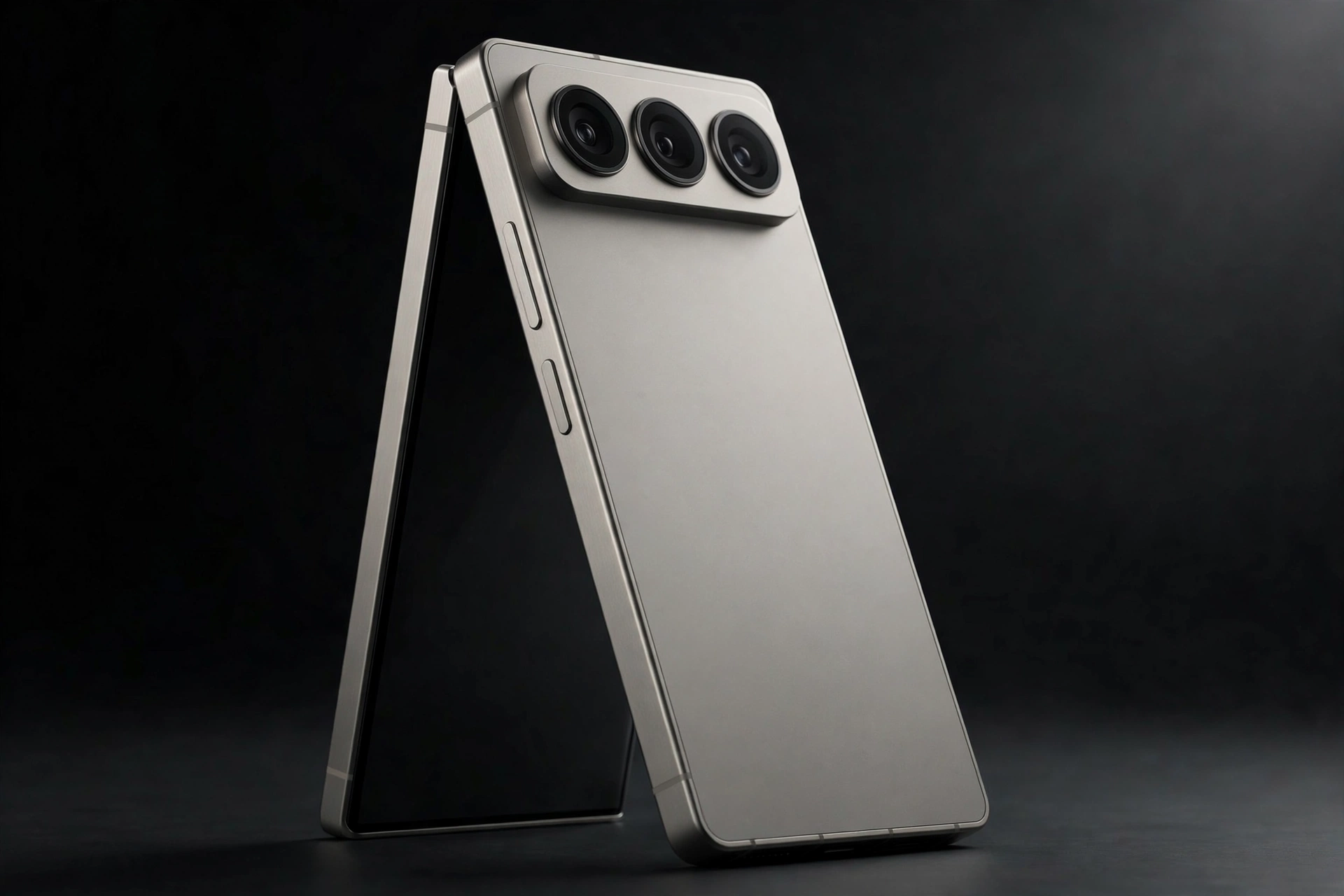
Samsung’s next flagship phone, the Galaxy S27 Ultra, is shaping up to be one of the biggest hardware refreshes in the Galaxy Ultra line in years — and certification records have now confirmed its biggest upgrade: a larger battery.
The phone has appeared in records from the IECEE certification system, confirming a 5,700mAh battery. That is a 14 percent increase over the 5,000mAh battery in the Galaxy S26 Ultra, and the largest battery ever fitted to a Galaxy Ultra phone. The certification also confirms that wired charging stays at 60W.
At the same time, a series of leaks from well-known tipster Ice Universe suggest Samsung is streamlining the camera system. The Galaxy S27 Ultra is tipped to drop its laser autofocus sensor — the first time Samsung would remove it since the Galaxy S21 Ultra in 2021 — and rely instead on AI-based focusing technology.
The phone is also expected to lose its 10-megapixel 3x telephoto lens, leaving a single 50-megapixel 5x telephoto camera. The rumoured rear setup would then be three cameras: a 200-megapixel main sensor, said to be Samsung’s ISOCELL HP6, a 50-megapixel ultrawide, and a 50-megapixel 5x telephoto.
On design, leaked schematics and dummy units point to a raised camera plateau replacing the individual floating lens rings of recent Ultra models. Other rumoured features include a roughly 6.9-inch M16 OLED display with an upgraded Privacy Display, built-in Qi2 magnets for magnetic charging, and a retained S Pen slot.
Under the hood, reports point to Qualcomm’s Snapdragon 8 Elite Extreme Gen 6 chip in key markets, with Samsung’s Exynos 2700 used in some regions. Rising memory and component costs remain a question mark for pricing, after Samsung raised the Galaxy S26 Ultra’s price in the United States to $1,399.99 in October 2026.
Samsung has not officially confirmed any specifications for the Galaxy S27 Ultra, and the phone is expected to be unveiled at an Unpacked event in early 2027, likely in January or February.