
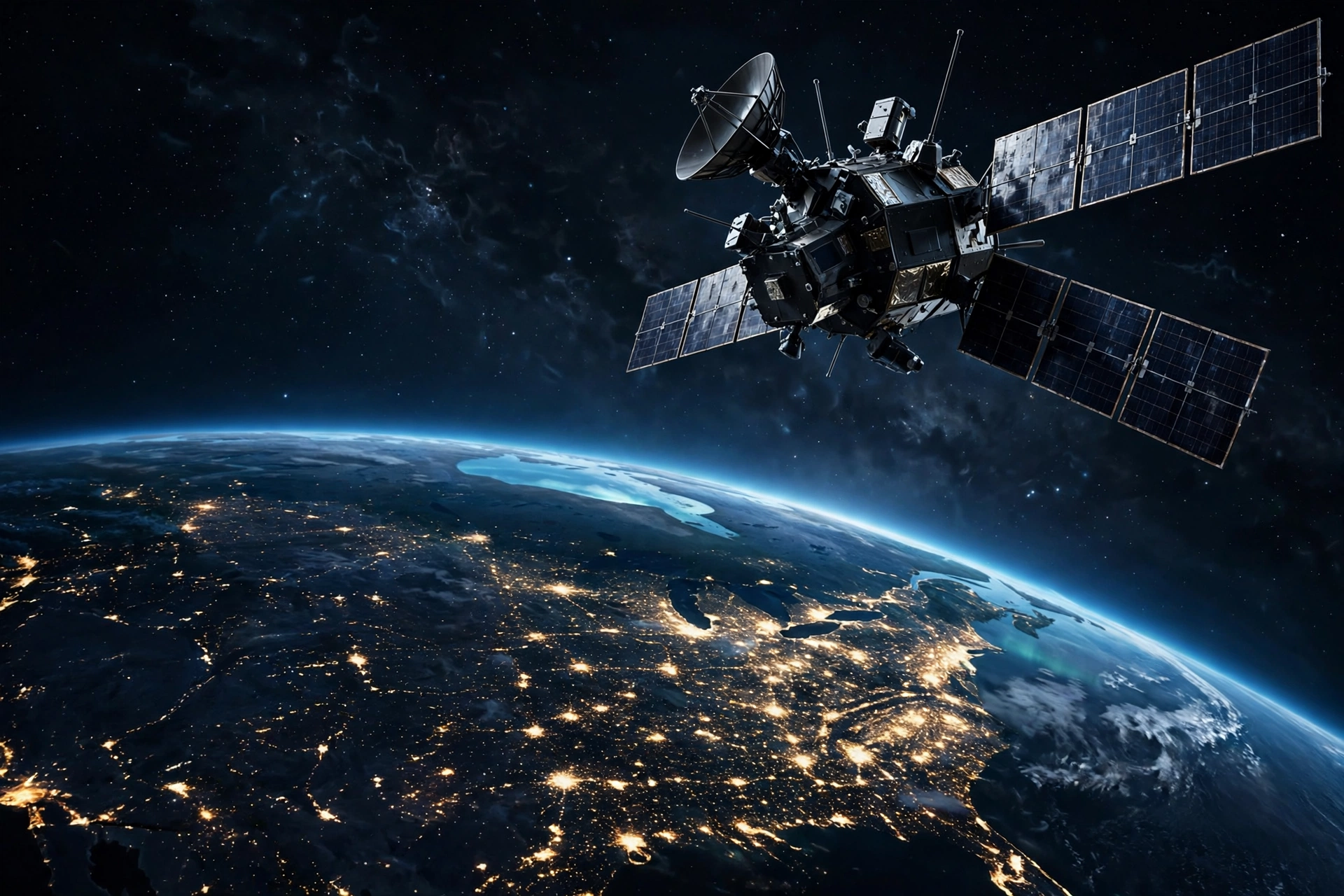
NATO has vowed to defend its members against threats from space after reports that Russia could soon launch a satellite carrying a nuclear warhead.
NATO Secretary General Mark Rutte made the pledge on Monday during a joint press conference in Berlin with German Chancellor Friedrich Merz, after German media reported that Moscow may be weeks away from putting a nuclear-armed satellite into orbit.
“We will always make sure we defend every inch of NATO territory, and that includes making sure we are safe when it comes to the space element,” Rutte said. He added that the alliance regularly reviews its deterrence and defence posture and has several options for responding to such a threat.
The reports, published by German public broadcasters NDR and WDR and the Süddeutsche Zeitung newspaper, cited unnamed German military and intelligence sources. They said intelligence assessments shared among NATO governments this month warned that a satellite dubbed “Sputnik-S”, said to be fully built and stored near Moscow, could be launched within 60 days — possibly as early as December.
According to the reports, the satellite could be used to disrupt or destroy other satellites, including those vital for communication and observation. Experts warn that a nuclear detonation in low Earth orbit could disable satellites in that zone within months, crippling global navigation, telecommunications and weather forecasting.
Merz, who stood alongside Rutte, neither confirmed nor denied the reports, but said they were deeply concerning. “Reports that Russia is planning to introduce nuclear weaponry into space are not new, yet they remain no less shocking,” he said, adding that they “reveal the level of escalation Russia is evidently prepared to pursue”.
Moscow has rejected the claims. Kremlin spokesman Dmitry Peskov dismissed information based on “unknown sources”, while the Russian embassy in Berlin described the allegations as unfounded and part of a “propaganda campaign”, insisting Russia’s space activities serve exclusively peaceful purposes.
The head of the European Space Agency, Josef Aschbacher, described the deployment of nuclear weapons in space as “the ultimate nightmare scenario”.
Russia is a signatory to the 1967 Outer Space Treaty, which prohibits placing nuclear weapons and other weapons of mass destruction in orbit around the Earth.
For now, no government has publicly confirmed that a launch is imminent, and European leaders are expected to discuss the reports when they meet in Brussels later this week.