NEW DELHI — India and Pakistan have sharply downgraded diplomatic relations after a deadly militant attack on tourists in Indian-administered Kashmir killed 26 people, pushing the nuclear-armed neighbours into their worst crisis in years.
Gunmen opened fire on a group of tourists near the resort town of Pahalgam on Tuesday, killing at least 26 people and wounding 17 others in the worst attack on civilians in the disputed region in years.
India blamed Pakistan for the attack. Foreign Secretary Vikram Misri said a special cabinet meeting chaired by Prime Minister Narendra Modi had concluded that the attack had “cross-border” links to Pakistan. Indian police said they believed the Pakistan-based group Lashkar-e-Taiba was responsible, though that claim could not be independently verified.
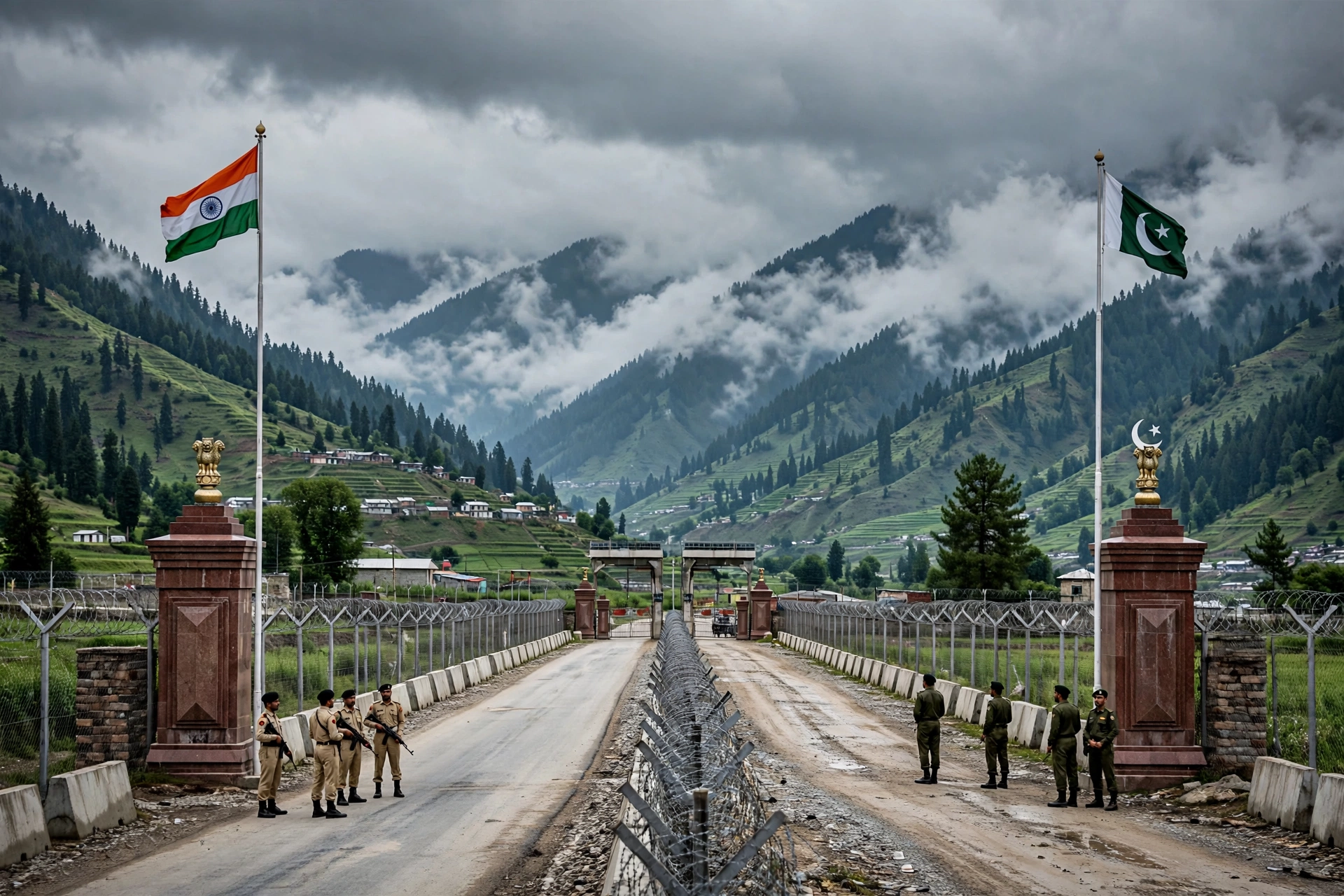
New Delhi announced a series of punitive measures. India suspended the Indus Waters Treaty, the 1960 World Bank-brokered agreement that governs sharing of the river system both countries depend on, until Pakistan “credibly and irrevocably abjures its support for cross-border terrorism”. It also closed the Attari-Wagah border crossing, barred Pakistani nationals from visa-free travel, expelled Pakistani defence advisers from New Delhi, withdrew its own advisers from Islamabad, and said diplomatic staff in each country would be cut from 55 to 30.
Pakistan rejected the accusation, calling India’s blame “frivolous and devoid of rationality”, and announced countermeasures of its own. Islamabad said it would close its airspace to Indian-owned or operated airlines, declare Indian military advisers in Pakistan persona non grata, suspend bilateral trade and visa-free travel, and close its side of the border post. Pakistan also warned that any attempt to stop or divert the flow of river water would be considered an “act of war”.
The United Nations urged both countries to exercise maximum restraint and to resolve their differences peacefully through meaningful engagement.
Kashmir is claimed in full by both India and Pakistan, which have fought two of their three wars over the territory. Each country administers part of the region, and tensions have repeatedly flared into military standoffs.