ISLAMABAD — Pakistan’s federal cabinet has approved the deregulation of the country’s sugar sector, ending decades of state control over the industry and clearing a long-delayed condition set by the International Monetary Fund.
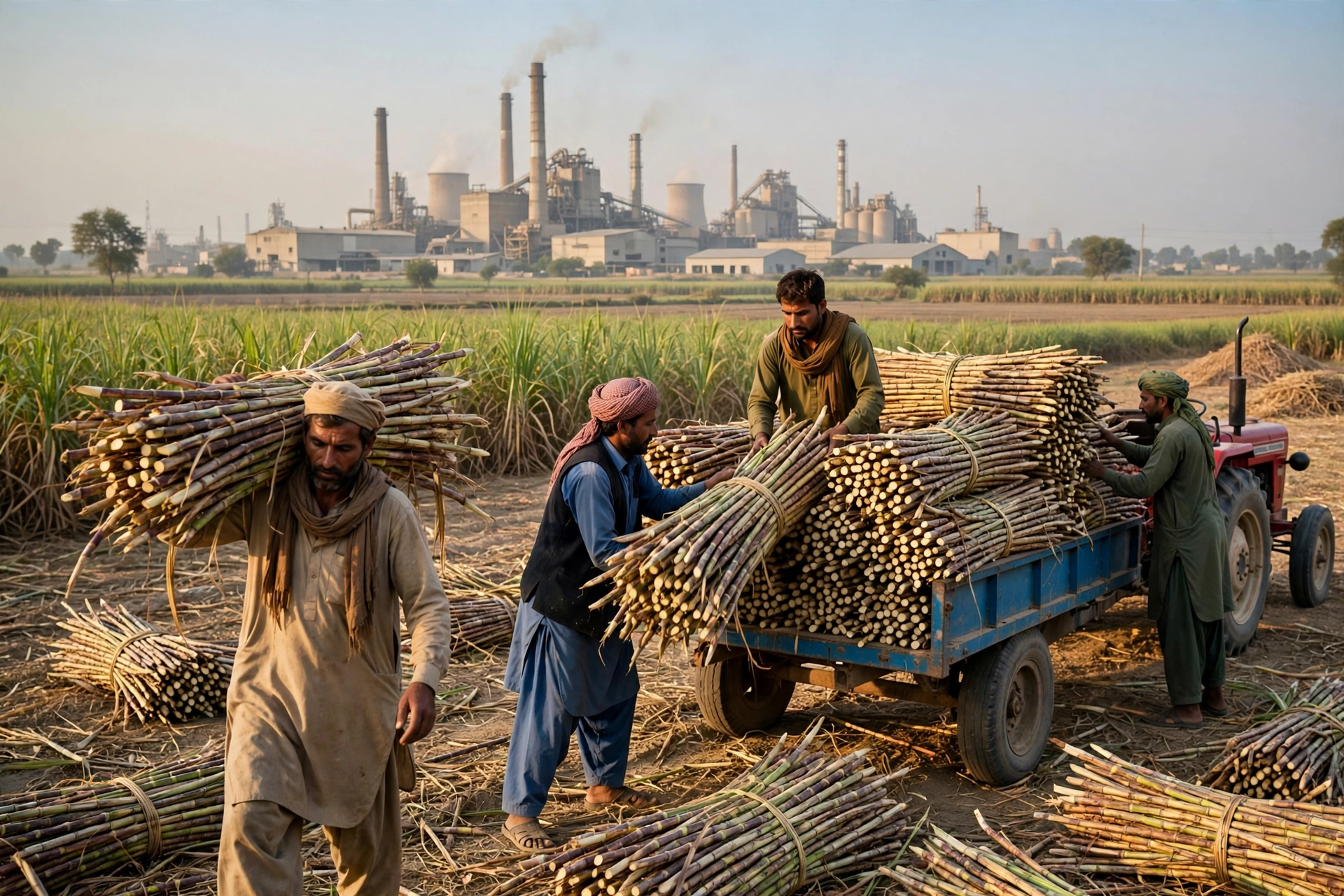
The cabinet approved the National Policy for Deregulation of Sugar Sector through circulation on Tuesday, according to reports. The decision removes export subsidies, ends restrictions on the movement of sugar between provinces, and leaves the price of sugarcane to market forces.
Under the new policy, growers will be free to sell their cane to any buyer, mills will be able to sell their product without zoning restrictions, and a predictable mechanism will govern sugar imports and exports. Transitional arrangements have been provided for the current crushing season.
The move clears a key IMF structural benchmark that Pakistan has been in breach of since June. The Fund had required the government to end its role in the sugar trade — from cane pricing to production and import-export controls — and approval of the policy was mandatory before the IMF Executive Board meeting could be scheduled. The board meeting is now set for December 11, when it is due to consider fresh funding for Pakistan.
Approval had been held up by Sindh, which had effectively vetoed the draft over cane pricing and provincial controls. Three other provinces had already consented. After negotiations, the Sindh government cleared the policy on November 21 after securing certain amendments.
The policy was finalised by a ministerial committee led by Power Minister Awais Leghari, including the ministers for finance, food security and economic affairs, the prime minister’s adviser for industries, the Federal Board of Revenue chairman, and provincial chief secretaries.
The decision comes days after the government allowed the export of more than 400,000 tonnes of sugar — its third export approval in four months — even as the deregulation condition remained unmet.