
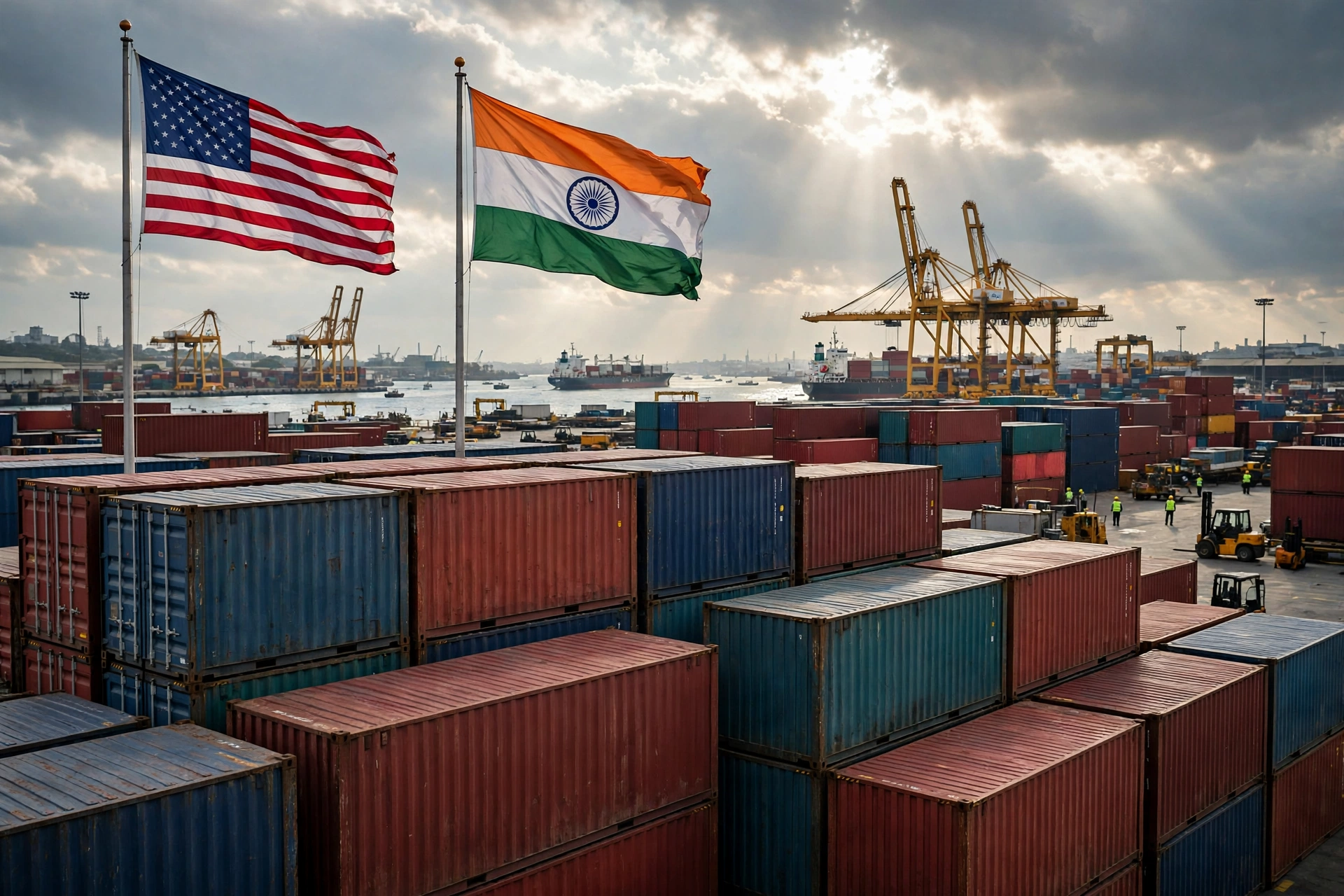
WASHINGTON — The United States has formally proposed tariffs of up to 25 per cent on Indian goods, the Office of the US Trade Representative (USTR) announced on Wednesday, after an investigation found structural excess capacity in India’s manufacturing sectors.
The proposed rate could fall to 17 per cent if India signs a reciprocal trade agreement with Washington that addresses the findings, the USTR said. The duties would be calculated net of existing Section 301 tariffs, with exemptions for certain goods.
India is among 14 economies covered by the USTR’s findings under Section 301 of the Trade Act of 1974, which allows Washington to act against trade practices it considers unfair. The USTR identified pharmaceuticals, medical devices, steel, solar products and information and communications technology as sectors where it said Indian policies particularly affected US commerce.
India swiftly rejected the claims. In a statement, the Ministry of Commerce and Industry said the notice was under examination and that India “does not have structural excess capacity in any sector”, adding that New Delhi had engaged constructively throughout the investigation and remained committed to concluding a bilateral trade agreement at the earliest.
The tariffs will not take effect immediately. Written comments on the proposals are due by January 5, 2027, and public hearings are scheduled to begin on January 25, 2027, meaning the measures are unlikely to become operational before January 2027.
The proposal follows months of uncertainty over the India-US trade relationship. The two sides have yet to sign the interim trade agreement announced in February, and Prime Minister Narendra Modi is expected to meet US President Donald Trump on the sidelines of next month’s G20 leaders’ summit in Florida.